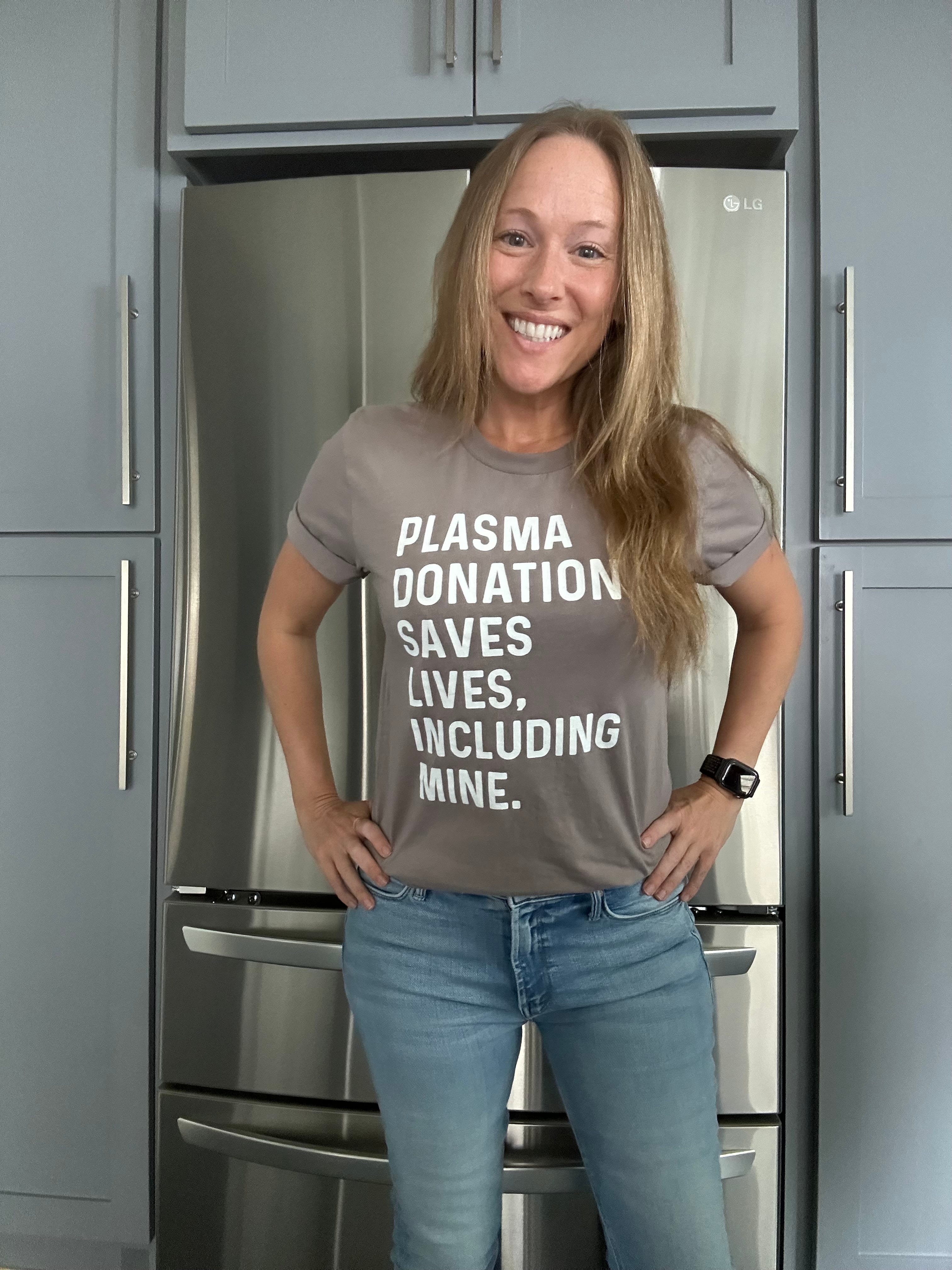
Off the Page Featuring: Rosemarie Philip
"Sharing the work that comes out of my lived experience as someone disabled means bracing for it to be flattened into an inspiration story or treated as too niche to matter outside anyone disabled."

For over two decades, I’ve worked with writers as an editor, publicist, book coach, mindfulness teacher, and now social worker. Along the way, I’ve learned that a writing life isn’t just about words on the page; it’s shaped by everything we do when we’re not writing.
Our creativity is influenced by our relationships, routines, emotional well-being, bodies, communities, and the ways we make meaning of our lives. All of it comes with us to the page.
That’s why I created Off the Page: Conversations About Writing as a Practice, where writers share the habits, rituals, and experiences that sustain their creative work—from yoga and meditation to walking, reading, caregiving, and even Olympic weightlifting. There is no single path to a writing life, only the one that helps you return to the page.
This month, I’m delighted to feature Rosemarie Philip, a beloved member of the Narrative Healing community.
When I discover a new writer, two things tend to light me up right away. First, the feeling that the writer is speaking from the deepest part of themselves. And second, the sense that the writing is reaching outward and genuinely wants to accompany, comfort, or help another person.
Rosemarie’s work does both.
She is a teacher, a lyrical writer, an avid explorer, and a chronic illness advocate. Her work is deeply informed by her lived experience of disability and multiple chronic illnesses, and what has always moved me is the way she writes toward our shared humanity.
I’ve witnessed this in her work over the years, and I’m so glad to share her voice here.
And if you’d like to spend more time learning from Rosemarie, she’ll be leading a live workshop, From Self-Doubt to Self-Belief, inside The Salon, our online Narrative Healing community. Workshop admission also includes a complimentary 14-day pass to explore the community and join us in practice. Click < here > to join us on July 26th at 5 PM live!
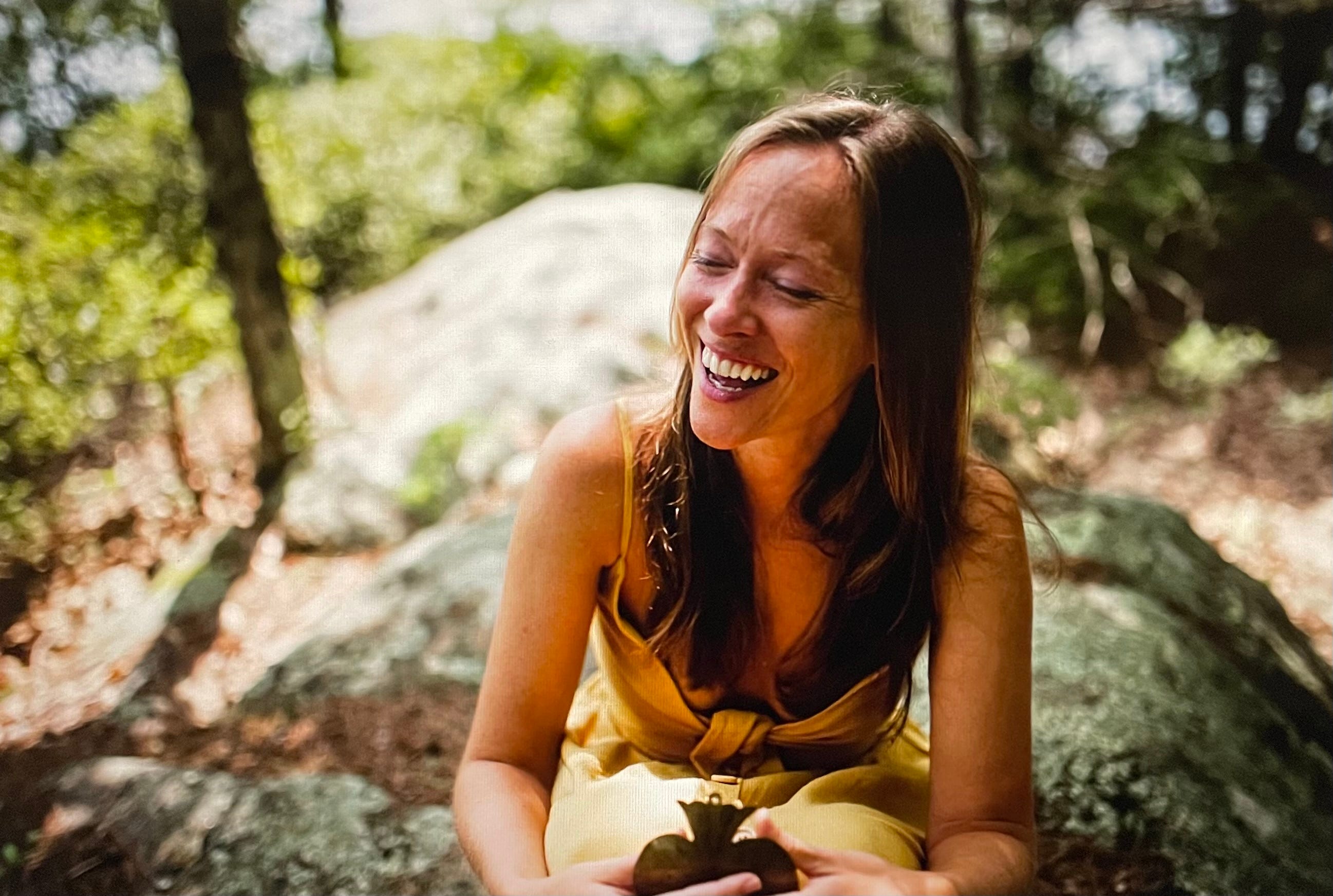
ABOUT ROSEMARIE PHILIP:
Rosemarie Philip is an organizational culture consultant, credentialed coach, and speaker who equips leaders to build cultures people don't have to recover from. She draws on 20 years of experience and brings the personal truth of living with multiple chronic illnesses to every room she leads. She is also the founder of a life well-loved®, a learning platform featuring tools created by disabled professionals for the human experiences that shape how we live and lead, and rarely get the room they deserve. Her work is rooted in a simple belief: be kind, be human.
Lisa Weinert (LW): What’s one myth about writing you wish people would let go of?
Rosemarie Philip (RP): Writing has to come from clarity to be worth doing. I’m guilty of this myth too, waiting for that clear thought before letting myself get it on the page. That in between is where self-doubt can live…and take over. The funny thing is the writing is often what produces the clarity, not merely a recording of it.
LW: Can you describe a time when writing changed something for you, however small? What shifted or surprised you?
RP: I remember being so nervous the first time I wrote about my own reckoning with chronic illness - endometriosis specifically - and posted to social media. Within minutes, there was a message from a complete stranger “I feel so seen. Thank you for giving me the words.” A moment of connection, of our shared humanness. I wasn’t alone. This realization helped me to look at my own words with a new lens of tenderness and compassion, and to honor their truth in their many iterations.
LW: What supports your writing life beyond the page—movement, meditation, ritual, or otherwise?
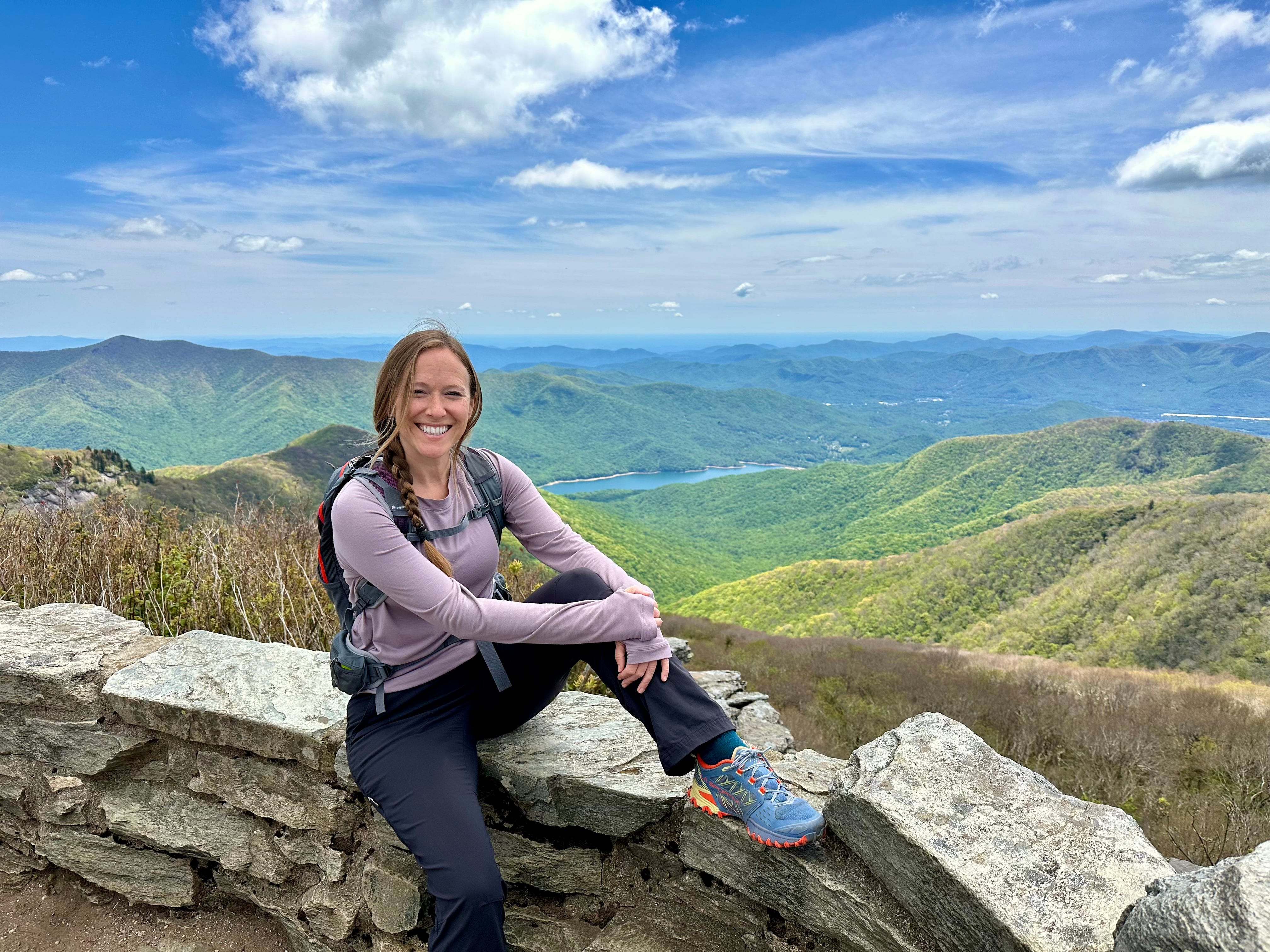
RP: Such an important question! I find my writing practice is less present when I’m not in alignment with supporting my body, mind, and heart. Nature is my respite; natural light is where I feel most held. The practice of mindfulness as I sip my morning coffee, listen to the birds, and feel the not-so-gentle pressure of my pup’s head laying heavy on my chest. Music meets me wherever I am, and invites me to steep in emotions I might not readily give myself permission to feel or purge. Moments with humans who know my heart, who challenge my perspectives and doubts, who bring out that laugh deep inside my belly, who sit with the silence or tears. Living with multiple chronic illnesses means that movement will look different for me each day, yet it is always important - whether that’s hiking on a trail or gentle stretches from the couch or bed. The “how” of support shifts and changes with what I need, but the “what” of settling the nervous system enough to be porous, present, and embodied is when the words leap onto the page.
LW: Has writing ever not helped—when it didn’t bring clarity or relief? What was that like?
RP: The breaking open can lead to a realization of so much more unknown. Our brains then do what they were built to do: protect. They search for familiarity, not truth, to complete the puzzle. Past experiences and emotions are pieced together in a way we might not think, but feel. One day while I was art journaling, I began writing down all these different identities that I thought made me… me. I was writing as if I were a sprinter in a race. All of a sudden the pen stopped. I hadn’t even taken my next breath when I saw all of these different things describing parts of me yes, but the brick hitting my chest was the realization that they described roles expected of me since I was child. So were these really describing ME? What a reckoning. Clarity, yes. Relief? It felt like there was no place for my feet to firmly plant onto the ground. All that I had known and even grown to love about myself felt tinged. In that very moment writing did not feel cathartic, yet the work done out of that moment for years to come was truly life-changing.
LW: Are there writers, artists, or voices—personal or literary—that continue to accompany you in your work?
RP: When I need those little reminders to keep going, to keep digging, or need a salve for a wound that is reopened or healing through the writing process, I often turn to: Morgan Harper Nichols, Andrea Gibson, Jaiya John, the writing of two disability advocates and dear friends who’ve since passed Jenneh Rishe and Daniell Koepke. But none of my work could be done without the gift of human conversation - with loved ones and strangers. Those intimate moments of witnessing and being witnessed.
LW: What has it been like to share your work? Can you recall a time when it felt deeply understood—or misunderstood?
RP: Sharing the work that comes out of my lived experience as someone disabled means bracing for it to be flattened into an inspiration story or treated as too niche to matter outside anyone disabled. Yet there are also those moments like when a client revealed they’d been following me for awhile and asked sheepishly “is it weird that I relate to your work even though I’m not disabled?”. Not weird at all, you relate because it’s a human experience.
LW: When the voice of doubt shows up, how do you notice it? And what helps you gently find your way back to the page?
RP: I’ve learned that the voice of self-doubt is just always there, it’s my brain trying to alert me to something (even if it’s not warranted). It shows up as over-editing, writer’s block, avoidance of the pen despite a yearning. Naming the doubt, observing it for what it is - information - instead of being in it, these are gentle nudges that help me to open the journal and look back at all the pages where I built self-trust.
LW: What brings you the most joy or surprise in your writing—something that feels playful, alive, or unexpected?
RP: Honestly, it’s the very first step: choosing a color to write with. What am I feeling, what do I need? As things shift I often select a different color for a certain word to reflect the experience or what I’d like it to move to. This brings a different layer of curiosity and is a visual representation of how alive the process truly is.
LW: What story do you feel called to tell now?
RP: The story of numbness. How disconnection has come to feel normal, how overextension and burnout gets treated as something to be earned and that we deserve, how erasure of self has become easy to look past. I’m writing into what it means to refuse that, not live inside it - what it means to get back to human.
LW: Is there anything else you’d like to share?
RP: Most of what I’ve described here isn’t just on the page for me. I’m also the founder of a life well-loved®, a learning platform featuring tools created by disabled professionals for the human experiences that shape how we live and lead, and rarely get the room they deserve. It shows up in the coaching and workshops I do, where I get to partner with others as they face their own version of the pen stopping mid-sentence. Writing taught me how to sit with that moment instead of running from it. It is my honor to help others do the same.
For further resources, go to: www.alifewell-loved.com
For coaching, speaking engagements, and consulting: www.rosemariephilip.com
Follow me at: https://www.instagram.com/still.rosemarie/